
Wild Africa
Immersive phygital park built around expressive, dream-like interpretations of African nature.
Role: Art Director (with hands-on art lead and technical contribution)
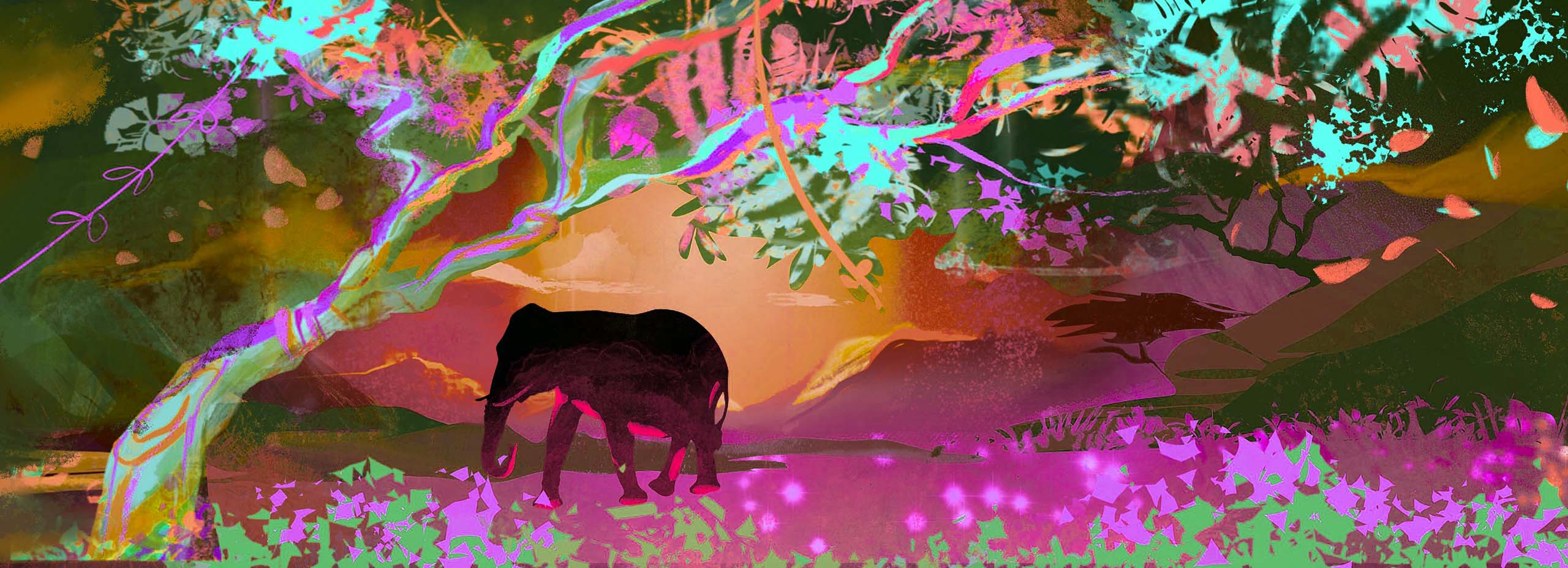
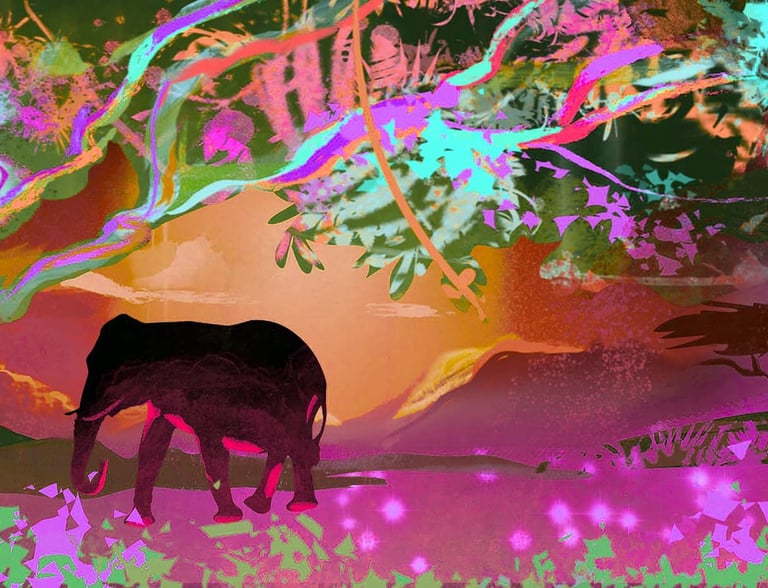
Wild Africa was a compact, time-constrained immersive park created as part of a larger exhibition focused on African flora, fauna, and natural environments. Delivered in roughly two months, the project consisted of three interactive zones, each built as a real-time Unity experience using large-scale projection, floor interaction, and laser-touch input systems.
The primary audience was families with children, which directly shaped both visual direction and interaction design. The project relied on production-proven mechanics from earlier products, extending them only where it meaningfully improved the experience. This approach allowed the team to concentrate effort on art direction, pacing, and feedback density while in a tight production schedule.
OVerview
Immersive phygital park built around expressive, dream-like interpretations of African nature.
Role: Art Director (with hands-on art lead and technical contribution)
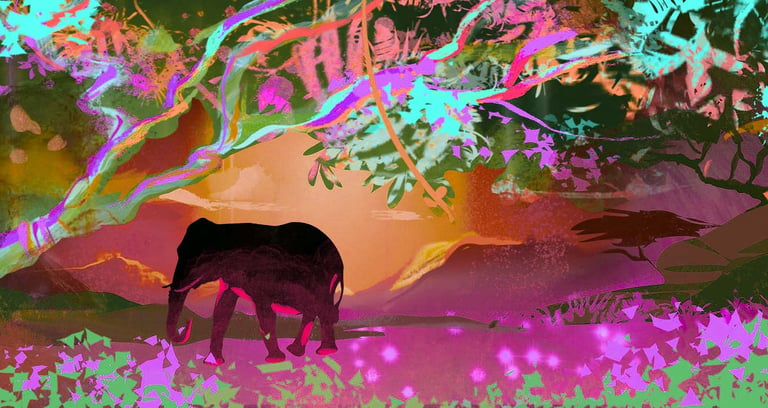
Wild Africa was a compact, time-constrained immersive park created as part of a larger exhibition focused on African flora, fauna, and natural environments. Delivered in roughly two months, the project consisted of three interactive zones, each built as a real-time Unity experience using large-scale projection, floor interaction, and laser-touch input systems.
The primary audience was families with children, which directly shaped both visual direction and interaction design. The project relied on production-proven mechanics from earlier products, extending them only where it meaningfully improved the experience. This approach allowed the team to concentrate effort on art direction, pacing, and feedback density while in a tight production schedule.
OVerview
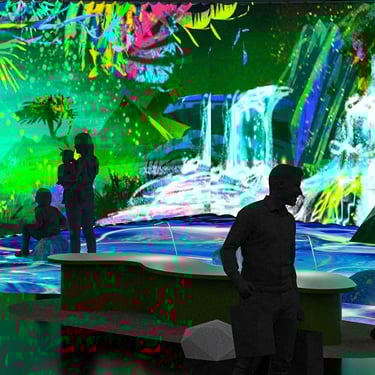
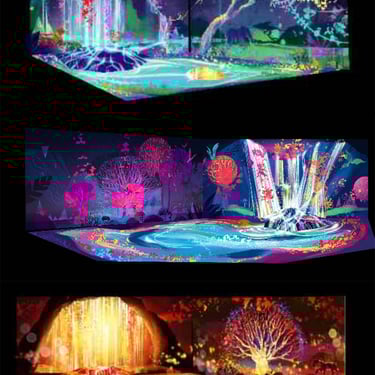
The park was structured as a set of adjacent interactive spaces, and with each zone offering a distinct form of physical engagement. Visitors interacted through movement across projected floors and touch input on walls, while a unified visual language kept the experience coherent across spaces.
Interaction was immediate. Visitors triggered responses through motion and touch, watching the environment react through vfx, color, animation, and sound. All zones supported solo play, group interaction, and passive observation, reflecting the unpredictable and collective nature of public exhibition spaces.

The park was structured as a set of adjacent interactive spaces, and with each zone offering a distinct form of physical engagement. Visitors interacted through movement across projected floors and touch input on walls, while a unified visual language kept the experience coherent across spaces.
Interaction was immediate. Visitors triggered responses through motion and touch, watching the environment react through vfx, color, animation, and sound. All zones supported solo play, group interaction, and passive observation, reflecting the unpredictable and collective nature of public exhibition spaces.
Technical Constraints and Performance
The main zone’s floor projection required extreme performance discipline. The setup used twelve projectors to deliver an 8K floor image with overlapping angles to minimize visitor shadows. This imposed strict constraints on rendering cost, shader complexity, and effect density, shaping many visual decisions to preserve responsiveness under load.
key decisions & Contribution
Gameplay Design
Although systemic novelty was intentionally limited, gameplay parameters were actively tuned for this project. Difficulty curves, pacing, interaction thresholds, and reward timing were adjusted to fit family-oriented play patterns and high visitor turnover. This ensured interactions remained legible and satisfying even during brief encounters.
Experiential and Visual Direction
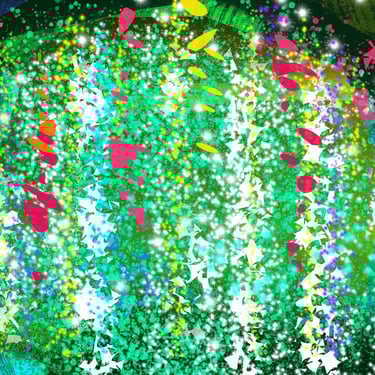
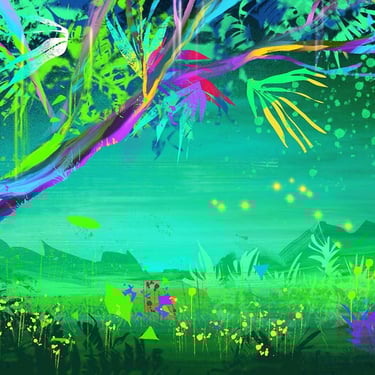
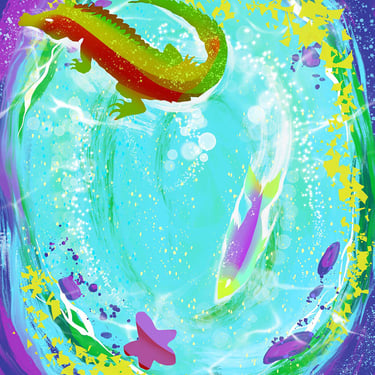
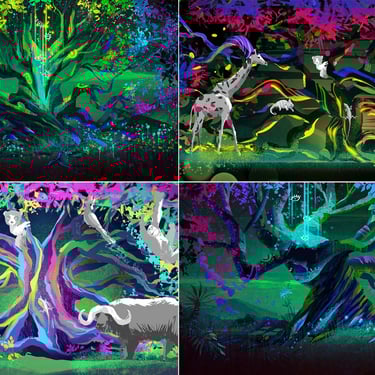
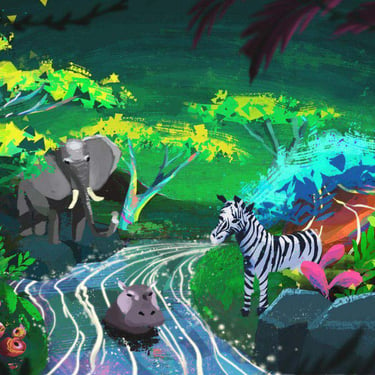
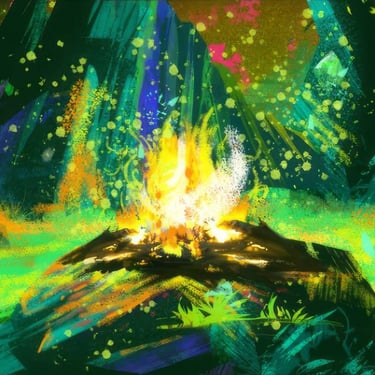
The initial brief called for something unconventional rather than a literal depiction of African landscapes. I defined a dream-like visual language inspired by expressive painting, saturated color, and visible brushwork. The goal was to evoke emotion and curiosity rather than realism, creating an atmosphere that felt playful and slightly surreal while remaining accessible to children.
Hands-On Zone Development
Alongside directing the team, I personally built one of the interactive zones from scratch in Unity. This included asset creation, technical art setup, adapting existing logic to new gameplay conditions, and integrating the result into the broader park while coordinating with 2D, 3D, and technical artists working in parallel.
Project Delivery in a Tight Timeline
The project required constant prioritization between visual ambition and delivery certainty. By limiting systemic risk and concentrating effort where it most affected perception—color, feedback, and responsiveness—the park shipped on time and established a reusable internal template for subsequent installations.
Adapting Existing Mechanics for New Contexts
Given the compressed schedule, I chose to rely on established interaction mechanics already validated in earlier projects. Instead of redesigning systems from scratch, I focused on reshaping how those mechanics manifested spatially—deciding where creatures appeared, how they moved, and how feedback accumulated across floor and wall surfaces.
Technical Constraints and Performance
The main zone’s floor projection required extreme performance discipline. The setup used twelve projectors to deliver an 8K floor image with overlapping angles to minimize visitor shadows. This imposed strict constraints on rendering cost, shader complexity, and effect density, shaping many visual decisions to preserve responsiveness under load.
key decisions & Contribution
Gameplay Design
Although systemic novelty was intentionally limited, gameplay parameters were actively tuned for this project. Difficulty curves, pacing, interaction thresholds, and reward timing were adjusted to fit family-oriented play patterns and high visitor turnover. This ensured interactions remained legible and satisfying even during brief encounters.
Experiential and Visual Direction
The initial brief called for something unconventional rather than a literal depiction of African landscapes. I defined a dream-like visual language inspired by expressive painting, saturated color, and visible brushwork. The goal was to evoke emotion and curiosity rather than realism, creating an atmosphere that felt playful and slightly surreal while remaining accessible to children.
Hands-On Zone Development
Alongside directing the team, I personally built one of the interactive zones from scratch in Unity. This included asset creation, technical art setup, adapting existing logic to new gameplay conditions, and integrating the result into the broader park while coordinating with 2D, 3D, and technical artists working in parallel.
Project Delivery in a Tight Timeline
The project required constant prioritization between visual ambition and delivery certainty. By limiting systemic risk and concentrating effort where it most affected perception—color, feedback, and responsiveness—the park shipped on time and established a reusable internal template for subsequent installations.
Adapting Existing Mechanics for New Contexts
Given the compressed schedule, I chose to rely on established interaction mechanics already validated in earlier projects. Instead of redesigning systems from scratch, I focused on reshaping how those mechanics manifested spatially—deciding where creatures appeared, how they moved, and how feedback accumulated across floor and wall surfaces.
CONCEPT Gallery
Or explore more of my work:
Or explore more of my work: